Author: admin

  • Asbestos Removal Social Distancing – back to work

    Asbestos Removal Social Distancing – back to work

    Inner City Environmental back at work

    The last few months has been difficult for all of us. Inner City managed to resume work very quickly after an initial shut down on specific projects by putting into place Social Distancing measures. The nature of our work on site means that our workforce are protected with full PPE.

    Asbestos Removal Social Distancing

    Overview by Managing Director Nick Greenfield on our recent asbestos removal projects using social distancing measures for the safety of our workforce and the general public.

    Grange Farm Estate, Harrow: 7 blocks of flats for Northeast/Higgins, we are currently removing non notifiable products such as floor tiles & Artex and moving on to notifiable AIB in a few weeks, this will be after the timber propping of all the floors has been carried out in conjunction with the structural engineers. Estimated duration 14 weeks, Value £329,000.

    Fujitsu Services Basingstoke: office areas to the main building for EPS, we are in the process of carrying out phase 1 works, which includes the removal of all non asbestos ceilings to gain access to the artex above. All works are carried out under strict fully controlled conditions. Phase 2 will be undertaken approx 2-3 weeks after completion of phase 1. Total project duration 7 weeks, Value £93,000.

    Meriden Estate Watford: internal and external works for Mulalley to 5 bungalows in phase 1 with a further 5 to follow once they have been surveyed. We are currently carrying the removal of AIB soffits, porch panels, walkway ceiling panels under fully controlled conditions with non notifiable works to the internals of the properties. Project duration 2 weeks, value £12,000.

    Hornsey Town Hall, London: Ardmore, we are in the process of removing 350m2 of listed flooring in conjunction with historic England under fully controlled conditions to the council chambers and have just completed the removal of 250m2 of listed flooring and wall panels to the supper room under fully controlled conditions within the main building to expose the thermal insulation to pipes, pipe work and asbestos to be removed with all listed elements to be retained where possible. Project duration 4 weeks, value £42,000.

    Royal Liberty School, Brentwood: Wilmott Dixon, we have just begun to undertake the removal of notifiable and non notifiable works to this school, works include the removal of thermal insulation to the pipe work and thermal insulation residue to the walls, floors and ceiling within the main boiler room and adjacent corridors, removal of AIB lining panels to the stairwells and AIB debris within the ceiling voids under fully controlled conditions and removal of asbestos containing toilet cisterns, asbestos cement panels and floor tiles and adhesive within the I.T rooms. Project duration 7 weeks, value £65,000.

    Pinewood Studios, Slough. Hughes & Salvidge, in phase 1 we are undertaking removal works to the old vaults and cutting rooms, works consists of the removal of thermal insulation to pipe work within low level ducts and thermal insulation to pipes under the external walkways carried out under fully controlled conditions, and removal of asbestos cement roof sheets, asbestos cement pipe sleeves and asbestos cement Louvre panels to the exterior of the vaults. Project duration 2 weeks, value £35,000. Phase 2 works will be carried out later this year.

    We do have a few other smaller projects along with the social housing works done for Breyer and Mulalley.

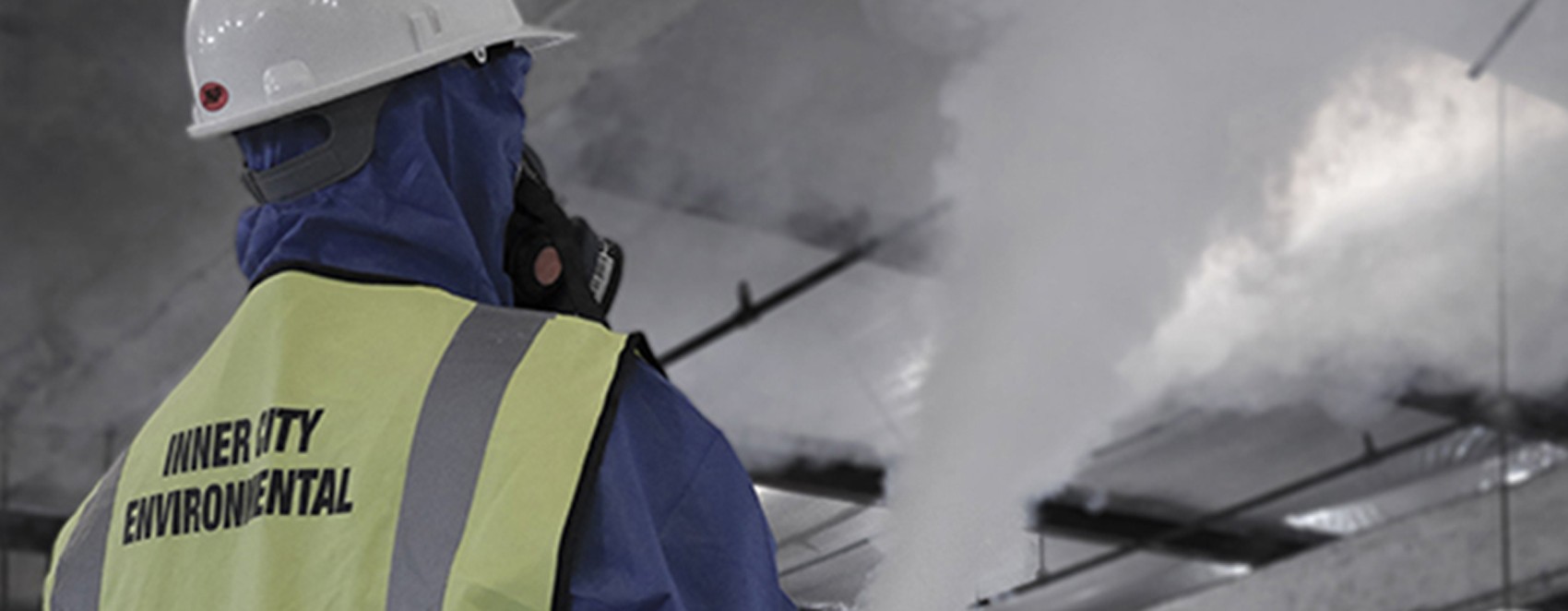
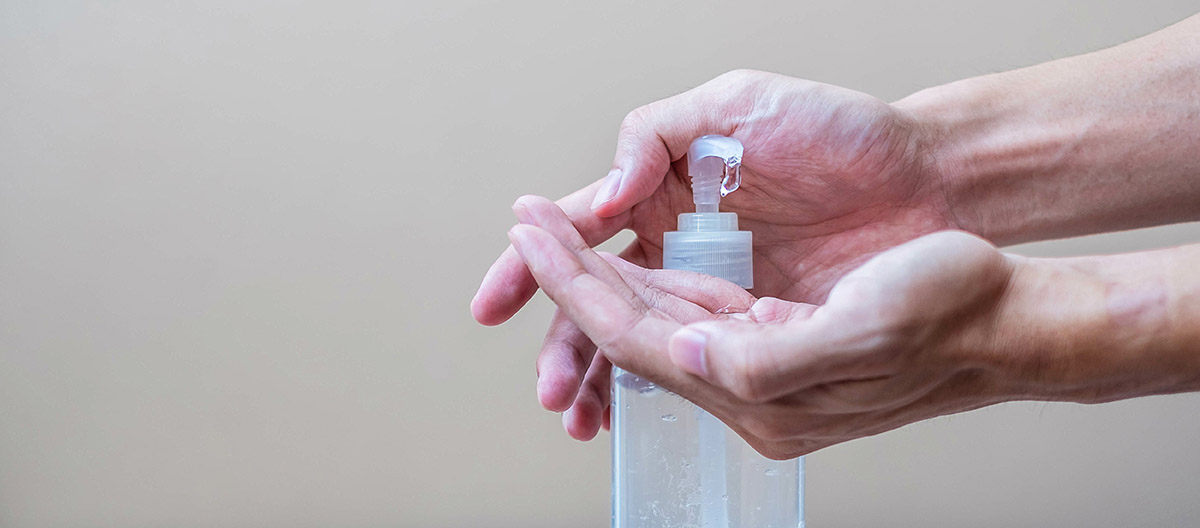
    All our works are being carried out with strict social distancing and following all relevant guidance from the government and PHE. We have implemented staggered working and lunch breaks and all sites have been issued with additional PPE including digital thermometers hand sanitisers and anti bacterial wipes along with additional Covid-19 signage.

  • Elvetham Hotel Asbestos Removal

    Elvetham Hotel Asbestos Removal

    The Coronavirus lockdown has resulted in Schools, Offices and Hotels closing. School holidays are always the time when asbestos removal is carried out in Schools across the Country for obvious reasons. However Hotels are usually busy all year round and asbestos removal can cause major disruptions to operations.

    Asbestos Removal Elvetham Hotel

    Therefore with the methods and practices of asbestos removal work and the introduction of Social distancing measures we have resumed work on a number of projects. Currently we are working at the Victorian Gothic Elvetham Hotel in Hook Hampshire carrying out removal work of licensed and non licensed asbestos.

    This is a grade 2 listed building.

    We are currently removing thermal pipe insulation to 7 x boiler room tunnels previously used as a wine cellar and cheese store, this area is under confined space regulations due the make up of the tunnels, we have also discovered pipe insulation to the ceiling voids and within the main building roof void which is all being removed under fully controlled conditions.

    Pigeon guano removal completed to 3 floors of the listed water tower located just outside the grounds of the main buildings.

    The works began on the 15th April and have adopted all the current guidelines in relation to Covid-19, we expect to complete these works by the 5th June. Project value £96,000.

    Telephone: 01322 273517 and speak to Managing Director Nick Greenfield.

    Inner City Environmental are part of the Downwell Group. Collectively we can provide Demolition, Enabling Works, Remediation, Asbestos Removal and Scaffolding services.

    For more information on Asbestos follow the links to our other blog posts

    Asbestos Removal Essex – What is Asbestos – Link
    Artex in your home – Link
    Asbestos Surveys – What you need to know – Link
    Asbestos found in demolition – Link
    The Asbestos Removal Process – Link
    Inaccurate asbestos surveys – Link

  • Asbestos Removal Essex – Frequently asked questions

    Asbestos Removal Essex – Frequently asked questions

    Asbestos Removal Essex – What is Asbestos?

    As a Contractor we get asked many questions about Asbestos Removal Essex. Asbestos is a word which describes six natural materials. These include amosite, actinolite, anthophyllite, chrysotile, crocidolite and tremolite. Although asbestos is illegal in the United Kingdom, it is still present in old buildings and presents dangers.

    It was conventional for insulation, flooring and roofing. The reason asbestos was widely used was because of its natural resistance to heat, fire and electricity. It was considered an ideal material to enhance buildings safety. Before 1985, asbestos was legal and is now most commonly found in roofing, building insulation & roofing. 

    The HSE regulations 2000 

    Asbestos use was not completely banned in the United Kingdom until there was a connection discovered between the material and mesothelioma. Mesothelioma is cancer associated with the lining of the lungs.

    What does the term ACM mean?

    ACM actually ‘Asbestos-Containing Material’ and applies to any material which contains over 1% asbestos. Asbestos-Containing Materials are hazardous when inhaled. That is why the use and production of the material are no longer allowed within the UK.

    Where is asbestos found?

    Although asbestos was mostly used in the building industry, it was also extensively used within products from other sectors, these include:
    • Asbestos cloth, string and rope
    • Hairdryers
    • Asbestos cement sheets and roof tiles
    • Wallboards
    • Ceiling Tiles
    • Ovens
    • Boilers
    • Hairdryers
    • Irons
    • Ironing board covers
    • Toasters
    • Brake-pads and brake-pad linings
    • Clutch facings
    • Floor Tiles
    • Mastics and Sealants
    • Toilet cisterns
    • Posts and fencing
    • Planters
    • Artex

    Can I take my asbestos sample and take it for testing myself?

    Asbestos is linked to mesothelioma if inhaled; Inner City Environmental recommends that a professional takes a sample for health and safety. However, testing for asbestos does not require an asbestos licence. UKAS accredited asbestos testing kits can be purchased online. On the collection of your asbestos sample, it will have to be tested at a UKAS accredited laboratory. On purchase, your testing kit fee may include the laboratory fee, so it is worth checking. Find an accredited lab. Locations

    PPE clothing – must be worn when removing asbestos

    During removal of Asbestos-Containing Materials, there is a substantial likelihood that fibres will break off and become airborne meaning that special safety equipment is needed to protect those working within the areas around the asbestos.

    Overalls

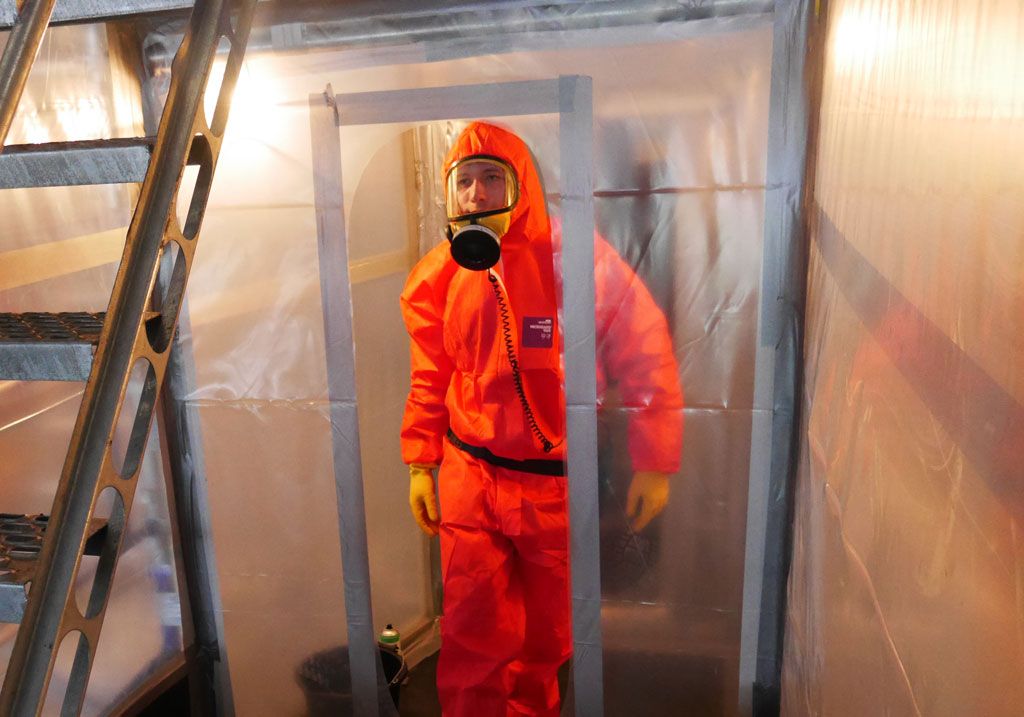
    The protective clothing Inner City Environmental wear are dustproof and conform to HSE regulations. These overalls cover footwear and are taped at the wrists to ensure asbestos fibres do not get underneath and become attached to our operatives clothing.

    Gloves

    Disposable single-use gloves 

    Footwear

    Toe capped rubber boots with no laces are worn and protect the feet from falling objects. These boots are easy to clean.

    Respiratory Protective Equipment (RPE)

    The most critical aspect of PPE clothing is it protects operatives from inhaling asbestos fibres.  The RPE equipment Inner City use has a UK protection factor of 20 as a minimum Our workforce selects PPE equipment which is most suitable for them in terms of it and suitability. Our workforce can wear a half-mask RPE that has a P3 filter, for non-licensed works. When working with higher risk licensable materials, operatives wear full-faced powered respirators which conform to EN147

    Risk assessments for Asbestos Removal  

    Risk assessments must be carried out to conform to health and safety regulations. They must be carried out by a trained asbestos professional who has the experience and expertise of working with asbestos. The risk assessment will be carried out at an early enough stage to ensure that special control measures can be put in place before the asbestos removal begins: Asbestos risk assessments cover
    • To control the risk of working with asbestos.
    • Establish alternative risks, which include working at height and other dangerous scenarios and provide measures to reduce those risks, and ensure a safe working environment.
    • Inform the workers of the risks involved.
    The risk assessment should include- 
    • The measured amount of asbestos detected in a survey.
    • Asbestos types that need removal.
    • Special control measures.
    • Details of the decontamination procedures
    • Waste transfer information 
    • Emergency procedures

    What are the health risks of asbestos?

    Asbestos becomes a considerable health risk when inhaled into the lungs in more significant than average volumes. It can cause asbestosis and mesothelioma. The more asbestos taken into the lungs will almost certainly increase the chances of developing asbestos-related diseases.

    Asbestosis – what is it?

    Asbestosis will not usually show itself until about 20-30 years after a lot of asbestos has been inhaled into the lungs. It causes scarring of the lungs. It produces a gradual hardening and shrinking of the lungs, resulting in them not being able to hold as much air. 

    Mesothelioma – what is it?

    Mesothelioma is lung cancer that develops in the space between the lining of the lungs called the pleural membrane. It causes the pleural membrane to thicken as it grows. Breathing becomes harder.

    Is asbestos dangerous to touch?

    Asbestos and ACM materials are not considered a danger to health providing the asbestos fibres do not become airborne. They become airborne if disturbed by scraping, sanding or rubbing. Asbestos that is not disturbed and in good condition and re not though to be a danger to health.

    I have been exposed to asbestos once – am I in danger

    Asbestos exposure has no defined levels of risk. Much of the asbestos that someone inhales is caught within the mucous membranes of the nose and throat, thus stopping it from reaching the lungs, where it becomes a danger to health. Diseases such as asbestosis and mesothelioma will develop after several years. For more information on Asbestos follow the links to our other blog posts Asbestos Removal Essex – What is Asbestos – Link Artex in your home – Link Asbestos Surveys – What you need to know – Link Asbestos found in demolition – Link The Asbestos Removal Process – Link Grade 2 listed Hotel project in Hampshire – Link
  • Hornsey Town Hall  – Asbestos removal at Grade II listed building

    Hornsey Town Hall – Asbestos removal at Grade II listed building

    Work at Grade II listed Hornsey Town Hall

    Hornsey Town Hall is famous or being one of the first significant UK buildings constructed in the modernist style.

    It was designed by a New Zealand born architect called Reginald Uren in 1933-35. The Royal Institute of Architects awarded the building a bronze medal. It is Grade II listed. Hornsey Borough Council used the building as its headquarters until 1966. Since then it has had a mixed-use, but the building had not had any major works carried out internally. Substantial amounts of asbestos were detected through extensive R&D surveys.

    It is now in the process of being redeveloped for exclusive apartments, improved public square, arts centre and a hotel with Ardmore as the main contractor. Inner City Environmental was appointed to carry out the asbestos removal works through the Downwell Group’s work with Ardmore. Sister company Downwell Demolition has carried out substantial opening up works and the demolition of some of the newer annexe buildings. Inner-City are currently in the process of removing various notifiable ACM’s including thermal insulation and residues to the floor & ceiling voids, Asbestos Insulating Boards to floor ducts and various NNLW items such as; flash guards floor tiles, bitumen, gaskets asbestos cement.

    Due to the listed status of the building, Inner-City have been engaging regularly with Ardmore and Historic England to ensure that removal of listed features such as wood panelling to the walls and ceilings and timber flooring is removed carefully and preserved for future use on the site.

    As a Grade listed building a lot of the original features of the building including doors, staircases, windows, flooring, counters and various original artefacts have had to be removed and set aside in storage or protected for use in the refurbishment. Our strip out work has been extensive in order to access the asbestos.

    Site Team

    Inner City has been on site since August and currently have a team of 35-45 on-site under the direction of contracts director Nick Greenfield & contracts manager Neil Wilson working closing with the Ardmore project team.

    The works are due to be completed by 31st March 2020 and the forecast to the final value of the project is £800,000

    For more information on Asbestos follow the links to our other blog posts

    Asbestos Removal Essex – What is Asbestos – Link
    Artex in your home – Link
    Asbestos Surveys – What you need to know – Link
    Asbestos found in demolition – Link
    The Asbestos Removal Process – Link
    Grade 2 listed Hotel project in Hampshire – Link
    Lead Paint Removal – Link

    Inner City Environmental is part of the Downwell Group

  • Inaccurate R&D Asbestos Surveys – the HSE will prosecute

    Inaccurate R&D Asbestos Surveys – the HSE will prosecute

    Making sure that you use a reputable company to carry out an asbestos survey is very important. In the case of an inaccurate  Asbestos R&D survey. It will cause severe delay on a demolition project if asbestos is detected that is not on the survey. It will mean that all work will have to stop and a new survey carried out.

    The HSE will take action against companies providing incorrect surveys as shown by a recent case study.

    The HSE will prosecute companies providing inaccurate R&D asbestos surveys

    Greater Manchester Magistrates’ Court recently heard how EAS Asbestos Limited were commissioned to conduct R&D asbestos surveys by Mercer Brothers Limited.  They are a construction company who were contracted to demolish garages for Hyndburn Homes. EAS Asbestos stated in their R&D asbestos surveys that asbestos was only present in the cement roof sheets. Sometimes it is the case that certain areas may not be able to be accessed when surveys are carried out. If this is the case it should be clearly stated on the survey. Their R&D asbestos surveys stated that there was no AIB present in the garages. It did not state that there were areas that could not be surveyed.

    Mercer Brothers went ahead with demolition of the garages. However all work was immediately stopped when suspect material was found by their trained operatives. This is the procedure that should always be adhered to and all operatives must be trained in asbestos awareness. Immediately another surveying company was called in and confirmed the presence of large amounts of AIB in the demolition rubble.

    This resulted in a delay on the project and the HSE were informed.

    The Health and Safety Executive (HSE) investigated and they found that the survey carried out by EAS Asbestos Limited was incorrect and misleading.

    HSE fine EAS Asbestos Limited

    EAS Asbestos Limited  pleaded guilty to breaching Section 3 (1) of the Health and Safety at Work Act 1974. The company was fined £6,700 and ordered to pay costs of £1,000 and a victim surcharge of £170.

    Speaking after the case, HSE inspector Jacqueline Western said: “This incident could so easily have been avoided by simply carrying out correct control measures and safe working practices.

    “It sends out a stark warning that the HSE will not hesitate to take appropriate enforcement action against those that fall below the required standards.”

    R&D asbestos surveys arranged by Inner City Environmental

    As part of our services Inner City will arrange for Asbestos Surveys for our clients including R &D Asbestos Surveys. We have a database of surveyors that we use, and who have delivered high quality surveys consistently. As part of our ISO 9001 quality process we carry out audits on all our suppliers to ensure we can be 100% confident that all asbestos will be picked up on a survey, or if areas cannot be accessed this will always be clearly indicated on the survey.

    If you need management or R&D asbestos surveys please contact us on
    Tel: 01322 273517 or visit our website www.innercityenvironmental.co.uk

    For more information on Asbestos follow the links to our other blog posts

    Asbestos Removal Essex – What is Asbestos – Link
    Artex in your home – Link
    Asbestos Surveys – What you need to know – Link
    Asbestos found in demolition – Link
    The Asbestos Removal Process – Link
    Grade 2 listed Hotel project in Hampshire – Link

  • Artex in your home – how safe is it?

    Artex in your home – how safe is it?

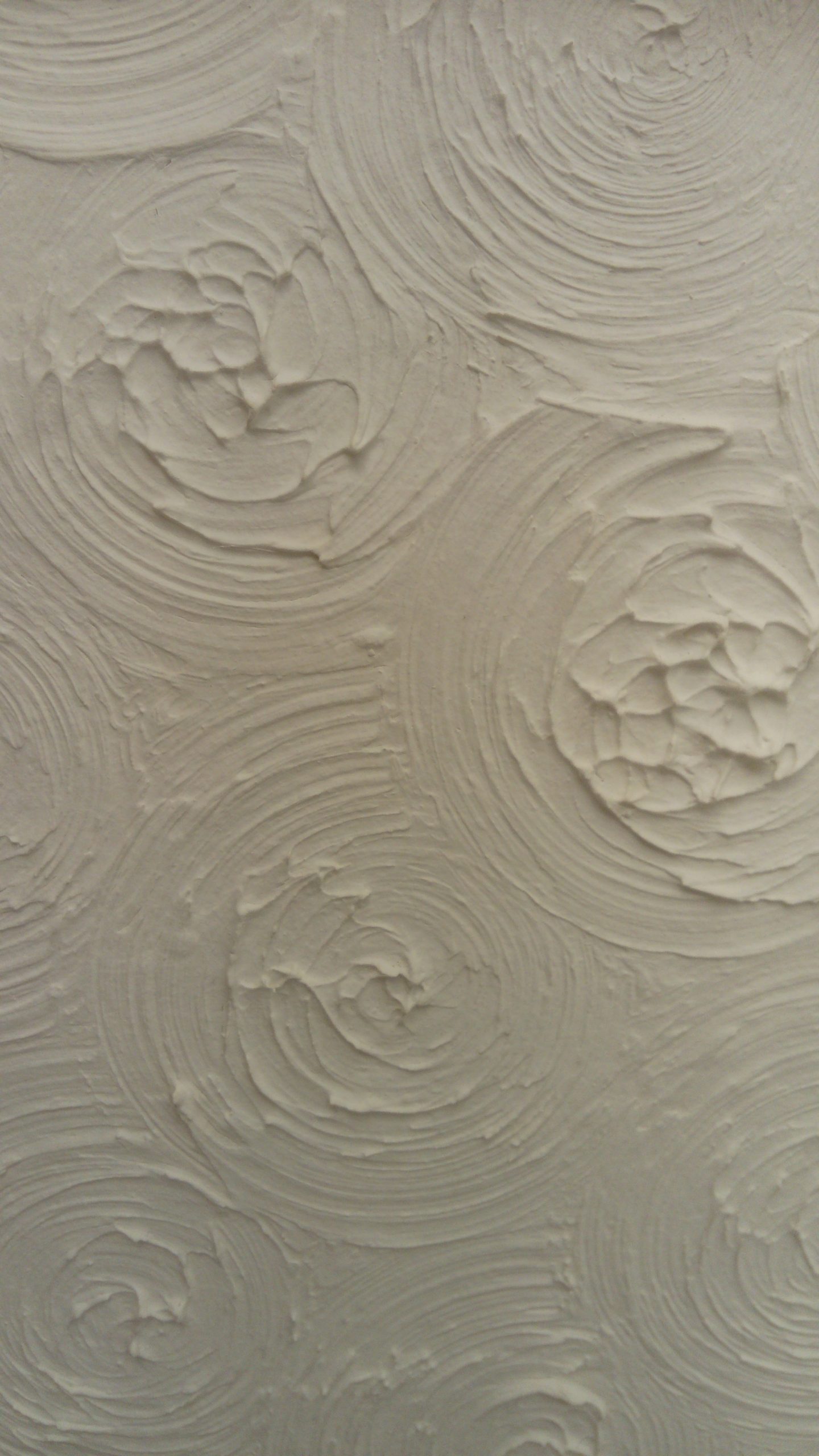
    Back in the 1970’s Artex was used extensively as wall, floor and ceiling coverings by the DIY fanatics. It followed on from the polystyrene ceiling tile as the chosen ceiling covering. It was usually used to hide older cracked lath & plaster ceilings. No plastering skills were necessary hence its popularity. It was available in bags and many people would mix it up often without face masks.

    Unfortunately early artex contained asbestos as a strengthening fibre. It was often plastered on by the DIY enthusiast in private homes and then textured.

    When people hear the word asbestos and discover that it could be present in the artex coating in their house it is of course normal to be concerned in relation to your health. The good news is, providing these materials are left undamaged, they are not a threat.

    The biggest risk is not the artex itself, but the deadly asbestos fibres that could be in it.

    Therefore if you are considering building work, fixing something to a wall or ceiling involving drilling, or want to sand the material down you must establish if the artex contains asbestos.

    How do you know if artex contains asbestos

    Not all artex will contain asbestos. Asbestos was banned in building products in 1999. But prior to that in the 60’s, 70’s and 80’s most of the artex available contained asbestos. There were however products on the market that did not contain asbestos.

    It is impossible to determine if the artex contains asbestos without professional sampling and testing. At Inner City Environmental we can arrange testing for you. It must always be assumed that the artex does contain asbestos until it has been tested.

    Percentage of asbestos in artex

    The percentage of asbestos in most artex is quite low, it is typically stated as around 1-2%. However, it can be as much as 4% with figures from the HSE of 1.8% asbestos for ready mixed products. It is around 3.8% asbestos for trade use.

    The type of asbestos found is chrysotile, also known as white asbestos, which wasn’t banned in the UK until 1999.

    Are you at risk if your artex contains asbestos?

    Asbestos is only a risk to your health when the fibres are released and breathed into your lungs.  Products containing asbestos can remain in a property without risk to health, as long as they are not damaged.

    Asbestos surveys

    All forms of asbestos were banned in the UK by 1999. Asbestos may be part of any building which was built or refurbished before 2000.

    The only way to be sure if asbestos is contained within your artex coating is to have it tested by an asbestos surveyor.

    Artex is likely to be disturbed when any building work is undertaken. A refurbishment and demolition asbestos survey will identify if asbestos is contained within the artex. If asbestos is found, this will need to be addressed and removed or protected before work can commence.

    Do you need a licensed contractor to remove artex

    The removal of textured coatings, like artex, is classed as non-licensed work. However this doesn’t mean it is safe or that no controls need to be in place. You still need to be trained to carry out this work.

    Some non-licensed work, where the risk of fibre release is greater, is considered notifiable non-licensed work (NNLW), and subject to additional requirements including notification of the work to the HSE, warning notices and medical examinations. Removal of large areas of textured coatings can be classed as NNLW.

    Asbestos is a high risk material. Safety measures are required such as damping down and specific PPE will be required, along with appropriate cleaning and disposal of asbestos waste.

    If the artex coating covers other asbestos materials, like asbestos insulating board (AIB) then a licensed contractor will be needed. If a proper R&D survey is carried out other materials will be detected.

    Can the work be carried without training

    We strongly advise anyone not to carry out any work on asbestos unless they have had the appropriate training, even for non-licensed asbestos work. If you do decide to proceed with small amounts of non-licensed work yourself, you need to make sure you wear suitable PPE and follow a safe working procedure.

    The HSE published a number of asbestos task sheets online, with guides that should be followed to minimise the risk to yourself and other people. Visit http://www.hse.gov.uk/asbestos/essentials/ for full guidance.

    Licensed asbestos work is a hazardous process requiring additional precautions including enclosures, specialist respiratory protective equipment (RPE), monitoring, supervision, medical surveillance and should only be carried out by licensed contractors.

    What does the law say?

    Although asbestos is banned, the law doesn’t say it must be removed. It does say it must be managed, and that when it is removed, it must be removed in a highly controlled way.

    Because asbestos is such a high-risk material, it has its own set of regulations. The Control of Asbestos Regulations put legal duties on everything from the management of asbestos materials to its removal and disposal.

    For more information our full range of environmental services visit www.innercityenvironmental.co.uk

    For more information on Asbestos follow the links to our other blog posts

    Asbestos Removal Essex – What is Asbestos – Link
    Artex in your home – Link
    Asbestos Surveys – What you need to know – Link
    Asbestos found in demolition – Link
    The Asbestos Removal Process – Link

  • Asbestos Removal – a sweet success in Croydon at Nestle Tower

    Asbestos Removal – a sweet success in Croydon at Nestle Tower

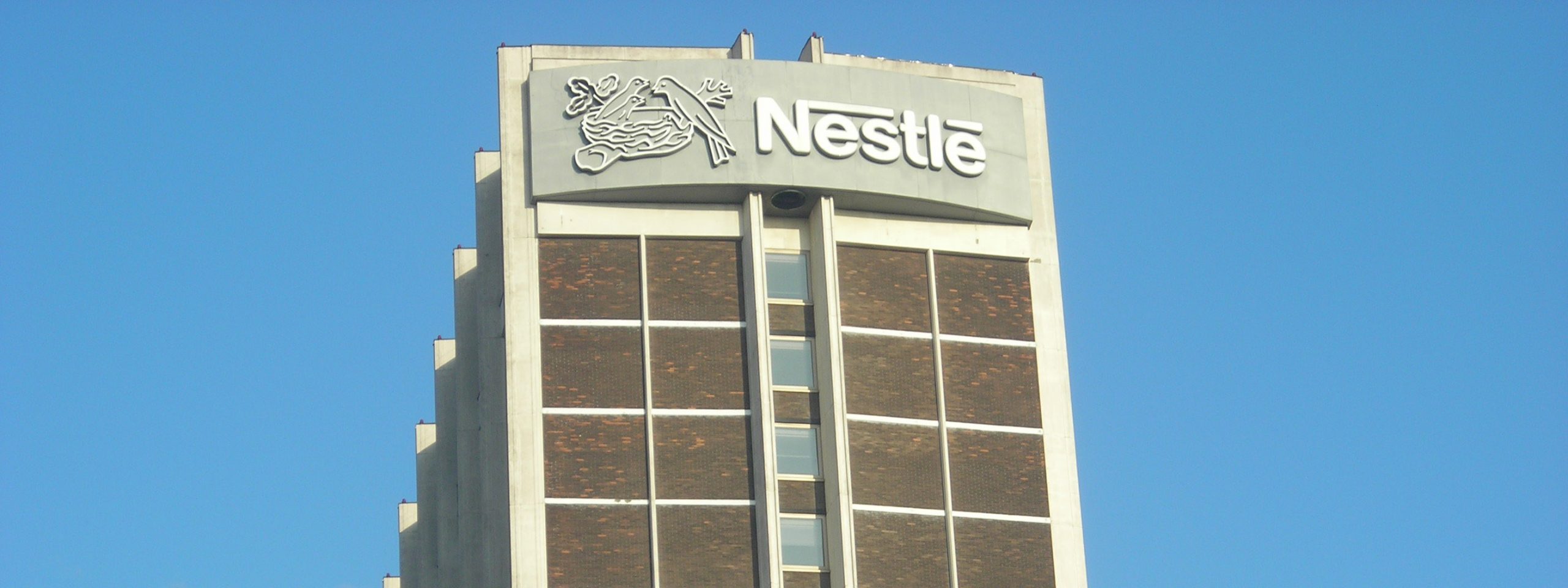
    Inner City have secured the asbestos removal works as part of the major redevelopment taking place at the Nestle Tower in Croydon. The Nestle tower is an iconic building located in the centre of Croydon.

    Inner City Environmental are currently working on a wide range of asbestos removal and remediation projects in Central London and the South East. The Nestle Tower is a substantial contract for Inner City Environmental

    The Nestle tower was designed by architects Ronald Ward and Partners, who also designed Millbank Tower, and it was completed in 1964. It has long since become a landmark building in Croydon. (https://en.wikipedia.org/wiki/Nestl%C3%A9_Tower)

    Our work is taking place over a programme of 60 weeks. The work involves the removal of notifiable and non notifiable works and is for one of the leading main contractors in the country.

    The redevelopment work was reported last year (See below)

    https://developcroydon.com/work-on-st-georges-house-conversion-to-start-imminently/

    Asbestos Removal in Kent, Essex

    Inner City Environmental are one of the leading ARCA gold accredited asbestos removal contractors in Essex and the South East. Working with Demolition Contractors, Main Contractors, Housing Associations, Property Developers and Facilities Management Companies we deliver a competitive and quality service every time.

    For full details of our asbestos removal services click here 

  • Asbestos Removal Cost – Why it Pays To Hire Asbestos Professionals

    Asbestos Removal Cost – Why it Pays To Hire Asbestos Professionals

    Asbestos Removal Cost – It still not unusual to find Asbestos in both domestic and commercial premises despite the fact that the substance was banned from use in the UK in 1999.

    Due to its highly dangerous nature it is recommended that asbestos professionals are called whenever asbestos is suspected to be present.

    Asbestos Removal Cost

    It is important to note that asbestos is a highly dangerous material and if fibres enter the lungs fatal diseases can result, therefore extreme care must be taken and we would always recommend using trained asbestos professionals under all circumstances. However, from a legal point of view there is a distinction between asbestos found in a domestic residence and asbestos found in a commercial property. If you were to find asbestos in your own home, then it is up to you how you deal with it – legally you can take the decision whether to remove it yourself or call in the experts. In contrast, asbestos found in a workplace is treated very differently – those responsible for the running of the working premises have a duty of care as set out in the Control of Asbestos Regulations 2012 (CAR) to dispose of any Asbestos Containing Materials (ACMs) safely and responsibly.

    Removing Asbestos from a Domestic Property

    Whilst homeowners are legally allowed to make their own decisions on exactly how any asbestos is removed, it is highly recommended to use a qualified professional as the removal process is the time when individuals are most at risk from contamination. In fact, asbestos is only dangerous when it is disturbed, whether by natural or artificial means, as this is when the dangerous fibres are released into the air and can be breathed in by people in the vicinity.

    Do You Need an Asbestos Removal Cost Estimate?

    It can be difficult to tell if asbestos is present without an intrusive survey and as discussed, asbestos is generally considered not to be harmful whilst it maintains its structure. One way to get a good idea if your property is likely to contain ACMs is by date of construction. Asbestos was banned in 1999, so any property built after this date will not have ACMs present. However, if your property was constructed between 1920 – 1999 it is likely that ACMs are present! So if your property was built between 1920 – 1999 to get an asbestos removal cost estimate you will almost certainly need an asbestos survey.

    Where is Asbestos Likely to be Found in a Home?

    Asbestos is most likely to be found in roofing of homes as it was used extensively in this way, however many cement walls contain asbestos, as well as insulating boards and cavity walls. It is also often found in flooring, gutters and pipes. Click here to read more about asbestos removal in London

    Removing Asbestos – Commercial Property

    The first question here is; what constitutes a commercial property? The CAR legislation does not actually define exactly what is considered to be a commercial property, however the Health and Safety Executive (HSE) takes a broad view and it is probably more accurate to talk about ‘non-domestic’ properties.A commercial or non-domestic property would be any property in which members of the public either in the course of their work or regular every day activities have access to that property. This includes commercial premises, retail premises, offices, industrial premises, hospitals, schools, universities, prisons as well as places of worship. Also included in the definition of non-domestic property would be common areas in blocks of residential flats, in garages or car parks, access and circulation areas for flats over a retail unit and, in relation to hotels, pubs and halls of residence, all guest accommodation and communal areas.

    Who is Responsible?

    The individual(s) responsible for ensuring compliance with CAR is the ‘duty holder’. The duty holder includes anyone responsible for upkeep, maintenance or repair of the premises, it also includes, where there is no contract or tenancy attached to the building any person(s) who have any measure of control over a building, or part of it, and persons who have means of access or egress to the property. In short that broad definition covers any tenants, landlords and freeholders of a property.

    What are the Responsibilities?

    As far as the HSE is concerned the duty holder must assume that ACMs are present unless they have comprehensive evidence to the contrary. This means that any property constructed prior to 2000 will almost certainly need an asbestos survey to assess any risk – if you are buying or renting a non-domestic property you will need to be aware of what measures have been undertaken in regard to CAR because as soon as you become the owner or tenant you will become responsible as the duty holder. It has recently been reported that up to 90% of the schools in England contain asbestos and that the CAR requirements have been poorly managed, prompting the HSE to start making plans to carry out inspections in school which are not “managing asbestos in line with regulatory requirements”. – https://www.theguardian.com/education/2019/jul/04/700-english-schools-reported-over-asbestos-safety-concerns

    Asbestos Disposal Costs: What Are the Different Types of Asbestos?

    The asbestos disposal cost can depend on the type of asbestos present in a building and there are two main types of asbestos that were used in the UK; Chrysotile (white asbestos) is generally found in buildings, homes and garages and is identifiable by its grey/white colouring and its flexible but strong structure. Amosite (brown asbestos) is also used in buildings but is usually found being used as thermal insulation. As discussed above, whilst legal to deal with yourself, it is highly recommended that anyone wishing to remove asbestos contact an expert before doing anything else.

    Asbestos Removal Cost Estimate – Does it Need Removal?

    Apart from the safety aspect when getting an asbestos removal cost estimate, there is also the question of whether the asbestos actually needs to be removed – asbestos only represents a danger to health if its fibres are released into the air. This means that as long as the substance maintains its structural integrity it is not hazardous. Calling in a qualified and experienced asbestos expert can help determine exactly how you should proceed if you suspect asbestos is present in a property.

    Asbestos Removal Cost Factors

    Ultimately, like any professional service, the amount of work involved will dictate the costs of removal. Therefore, the quantity of asbestos, combined with exactly where it is located and what needs to be done to gain access to the area containing the asbestos, will all need to be factored in. Whilst the cost of removing asbestos will vary on a case-by-case basis the process undertaken will be more-or-less the same in every situation. First of all a survey will need to be undertaken to establish whether asbestos is found in a premises, in what quantity it is present and what the risk to human health may be as a result.
    There are different levels of intrusiveness when it comes to asbestos surveys and the asbestos removal cost will depend to a large extent on the findings of the survey you can read about asbestos management and refurbishment surveys here.Once the survey is complete there are three broad outcomes possible; firstly that the asbestos remains structurally intact and therefore presents no risk to human health and no further action is required and therefore no further costs are incurred. The second possibility is that the asbestos does pose a threat, but that ‘encapsulation’ rather than ‘removal’ is possible. Encapsulation is where the asbestos surveyor has determined that the asbestos fibres can be contained by applying a layer of protective adhesive material to all ACMs which locks the fibres in and prevents them becoming airborne. The third option will be the most expensive, this is where the asbestos is considered to be a serious risk and removal is the only option. The cost of removing asbestos is much more than encapsulation due to the fact that it almost always requires changes to the structure of a building and depending on the size and layout of the premises could involve significant work.

    Asbestos Removal Price: Summary

    Asbestos is viewed differently in the eyes of the law based on whether it is found in a domestic or a non-domestic property, however, whichever type of building it is found in, asbestos represents a major health danger and as such, regardless of the law, should be treated with the utmost seriousness and an asbestos removal price should always be sought from a qualified asbestos professional. It is highly advisable to contact an asbestos expert if you suspect asbestos is present in your domestic property and if you are a duty holder for a non-domestic property then this is a legal requirement as well as potentially fatal health issue.
    For a complimentary consultation with one of our experienced asbestos surveyors please call 01322 273517 or simply complete the form below and we will call you back.
  • Asbestos Survey – What You Need To Know

    Asbestos Survey – What You Need To Know

    Asbestos Survey – In 1999 the use of asbestos in building materials was banned and legislation brought in to regulate disposal of existing asbestos or asbestos containing materials (ACMs).

    Asbestos had been used extensively in UK construction for decades before the ban and even now there remains a great many buildings that contain asbestos.<

    Why You May Need An Asbestos Survey

    An Asbestos Survey is a vital activity to prevent workers and residents of a building from contracting serious illness! Asbestos contains small fibres that can be released into the air when the materials are disturbed. These fibres, if inhaled into the lungs can cause serious illness including cancer, leaving workers and other employees at risk if working in such an environment without the correct procedures and safety equipment.

    Even after being banned for 20 years, a recent report by Institution of Occupational Safety and Health (IOSH) noted that at least 5000 a year people were still losing their lives to asbestos-related conditions, and that asbestos is still present in at least 500,000 buildings in the UK today!

    IOSH chief executive Bev Messinger, said:

    “It is unacceptable that 20 years on from asbestos being banned in Britain, organisations are still potentially putting at risk the lives of employees, their families and other members of the public.

    “Thousands die in Britain every year from cancers like mesothelioma, while many more are diagnosed with it.

    “All this is preventable through good occupational safety and health. It is time for organisations to wake up and realise how dangerous asbestos is. There are no excuses.” – https://www.telegraph.co.uk/science/2019/03/31/asbestos-still-killing-5000-britons-year-20-years-ban/
    In order to understand the risks posed by older buildings it is necessary to have an asbestos inspection carried out by a qualified professional surveyor – these inspections are known as Asbestos Surveys.

    What is an Asbestos Survey

    An asbestos survey is a physical inspection of a property looking for asbestos or ACMs.

    A qualified asbestos surveyor will visit the site and as a result of the inspection take way a small sample of the material suspected to contain asbestos for testing.

    During the inspection the surveyor will visit each room in a building and note in their report which materials have been used in the construction of the room.

    When a surveyor encounters a room that is not accessible, they will make a presumption that asbestos is contained in the room. This is a health and safety procedure in order to protect any person who may need to access the room in the future.

    When is an Asbestos Survey required?

    It is a legal requirement that any non-domestic premises that was built before 2000 must have a professional asbestos survey carried out by a qualified asbestos surveyor. The duty of care for this falls on any individual who owns or maintains a building constructed prior to 2000 and the penalties for failing to adhere to these requirements are severe.

    The Control of Asbestos Regulations 2012 makes clear that if someone is exposed to asbestos on a site which has not had an up-to-date survey then those responsible will be facing serious legal consequences.

    Asbestos Identification

    For buildings that will continue to be used as is – that is, they are not going to be demolished or significantly refurbished – will need to undergo a process of asbestos identification by having an Asbestos Management Survey carried out.

    This is as described above – a visual survey with little interference to the building’s structure.

    Asbestos Management Survey

    The management survey is designed to manage any ACMs during the regular use and occupation of the building.

    The primary aims of the management survey are threefold;
    firstly to ensure that ACMs are identified and that nobody is harmed by them.

    Secondly that the ACMs remain intact in and in good condition

    Thirdly, that any ACMs are not disturbed by accident

    Overall the survey must identify ACMs and note any that may become damaged as a result of the regular activities carried out at the premises, by installing new equipment, or any future refurbishment or maintenance that may be completed.

    The management survey can be minimally intrusive, as the surveyor may well decide to make a Materials Assessment, which involves disturbing the ACMs in order to make an assessment of whether harmful fibres are released into the air by the act of disturbance, which in turn dictates which next steps, if any, are required.

    Asbestos Demolition Survey

    For buildings that are to be refurbished or demolished then a more comprehensive and intrusive survey will be required – a ‘Refurbishment/Demolition’ survey (historically a ‘Type 3’ survey).

    This demolition survey will be more destructive to the property as the surveyor will need to access all areas where work is to be carried out and such an undertaking is likely to require the involvement of other professionals.

    In order to gain access to lift shafts a lift engineer would be required, whilst an electrician is likely to be necessary to access electrical systems and switchgear. It is also likely that the surveyor will need to check below floor slabs so a concrete core drilling operator would also be required.

    The twin aims of a demolition survey are;

    that there is no danger of harm as a result of any work carried out on ACMs present,

    and that the work required will be completed by a qualified and compliant contractor according to the legal standards.

    Before any refurbishment or demolition work can be carried out an asbestos survey must be completed and all ACMs on site must be identified, the areas vacated and then certified ‘fit for reoccupation’ after the survey.

    http://www.hse.gov.uk/asbestos/surveys.htm

    Summary

    Asbestos continues to pose serious health risks to those exposed to its fibres and individuals or other entities who maintain or own a non-domestic property constructed prior to the year 2000, have a legal obligation for asbestos safety at that property.

    That means that an asbestos survey must carried out, any findings acted on and the property must be managed and be re-inspected regularly to identify any asbestos present in order to protect any staff, contractors or others who may be working on site.

    If no significant refurbishment is taking place an Asbestos Management Survey would need to be completed, however, if refurbishments are planned, or the building is to be demolished, then the more intrusive Asbestos Demolition Survey will be required.

    Neglecting to fulfil this duty of care will result in serious legal ramifications for the duty of care holder.

    At Inner City Environmental we have a highly experienced asbestos survey team who have carried out hundreds of inspections between them – you can contact them now on 01322 273517

    Or simply complete the form below to request a call back to either book your survey or discuss what specific requirements you may have.

  • Asbestos Removal – Asbestos Health Checks

    Asbestos Removal – Asbestos Health Checks

    We can all take our health for granted. Most of us will only go to the doctors if we are feeling unwell. How often do we ever think go to the Doctors for a health check? Sometimes unfortunately there can be problems lying under the surface.

    The same could be said of your property.

    Asbestos the hidden danger

    Asbestos is a natural occurring fibrous material which was common in buildings built before 2000.

    It has excellent fire protection and insulation properties and also protects against corrosion. Is is often mixed in with other building materials such as tiles, pipe insulation, boilers and sprayed coatings. Therefore it is difficult to know for the untrained wether you are in contact with it or not.

    All commercial properties should have had a management survey carried out and the areas where asbestos is located clearly marked on floor plans. The purpose of the survey is not ensure that if any asbestos is detected it is not damaged, and if left undisturbed will not be dangerous.

    Asbestos in your home

    When it comes to your home asbestos could be lurking as a lot of homes built before 2000 may contain a lot of the original building materials from when it was constructed and could include:

    • Until the mid-1980s, Artex was a very popular coating was made with white asbestos to strengthen it. Therefore old Artex manufactured by Artex Ltd. will contain asbestos while Artex coatings applied after 2000 may or may not contain asbestos.
    • asbestos cement roof sheeting is also very common. Typical uses were on garages, sheds and workshops.
    • sprayed coating – found as fire protection on structural supports (for example, columns and beams) – it is a high hazard asbestos product and can generate very high fibre levels if disturbed 
    • pipe insulation – asbestos thermal pipe lagging is a high hazard asbestos product
    • asbestos insulating board (AIB) ceiling and door panels – AIB is a high hazard asbestos product and can generate high levels of fibres if the board is cut or drilled
    • AIB window panel – like other AIB, this is a high hazard asbestos product, and if in good condition should be left undisturbed
    • floor tiles – vinyl (PVC) or thermoplastic tiles contain asbestos

    When materials that contain asbestos are disturbed or damaged, fibres are released into the air. When these fibres are inhaled they can cause serious diseases. These diseases will not affect you immediately; they often take a long time to develop, but once diagnosed, it is often too late to do anything.

    If any building or refurbishment work is to be carried out then this could be potentially dangerous to the person carrying out the work.

    Arrange for a Health Check

    If you are concerned that your property may contain asbestos we can arrange a survey to give you peace of mind.

    For more information on Asbestos follow the links to our other blog posts

    Asbestos Removal Essex – What is Asbestos – Link
    Artex in your home – Link
    Asbestos Surveys – What you need to know – Link
    Asbestos found in demolition – Link
    The Asbestos Removal Process – Link